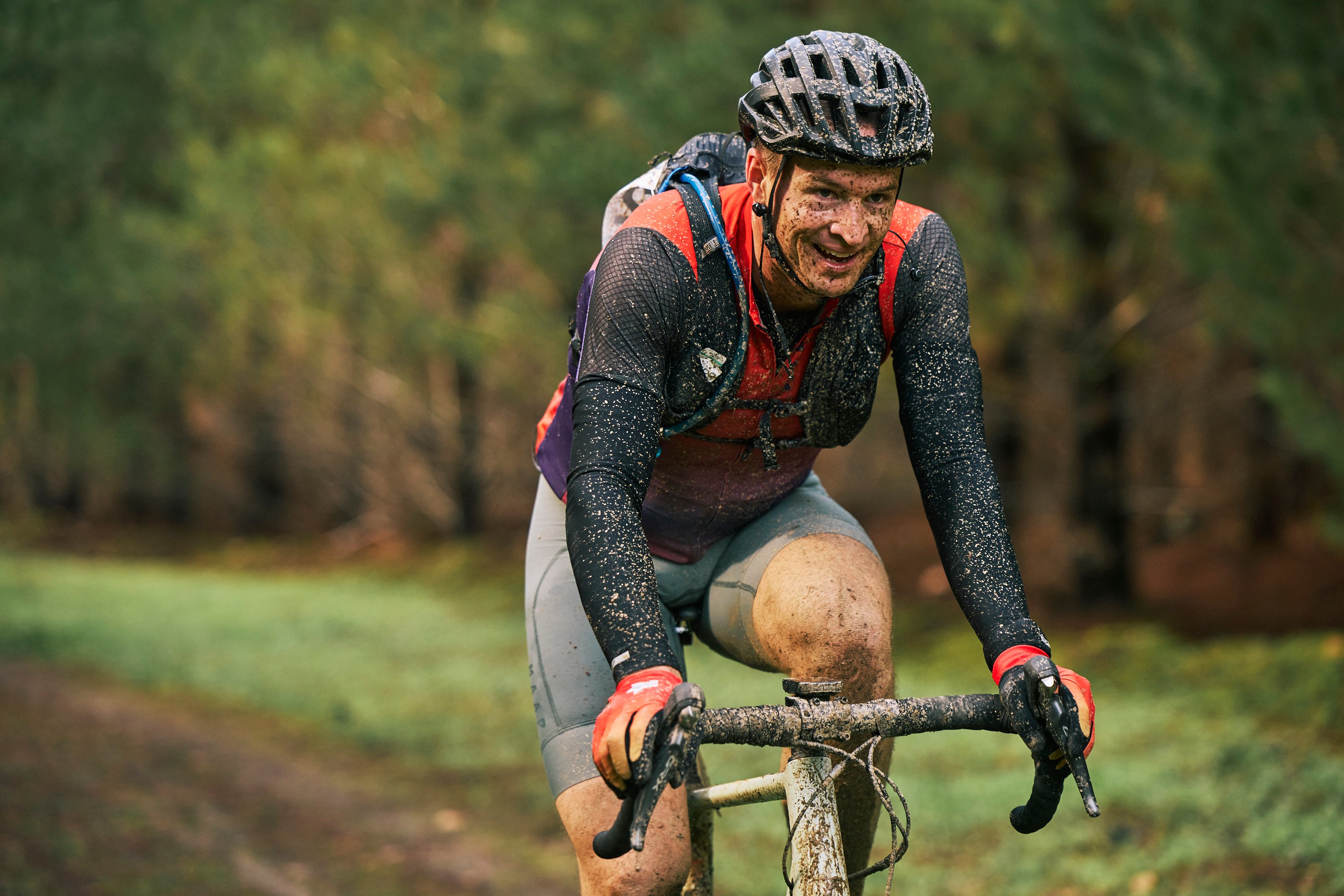
Gravel riding has become an increasingly popular discipline in Australia and the world in recent years for those looking for a unique challenge and getting off the beaten track.
It offers a chance to explore new places and test yourself on a mix of terrain.
Think dirt roads, country backroads, fire trails, rail trails and everything in between.
It combines elements of road cycling and mountain biking, with riders using specially designed gravel bikes to tackle a variety of surfaces, from smooth, hard-packed gravel to loose stones, sand and rougher trails.
So, whether you're a road cyclist looking to try something different, a mountain biker keen to explore new challenges or a complete beginner considering your first gravel event, here are five tips to help you get ready to hit the gravel.
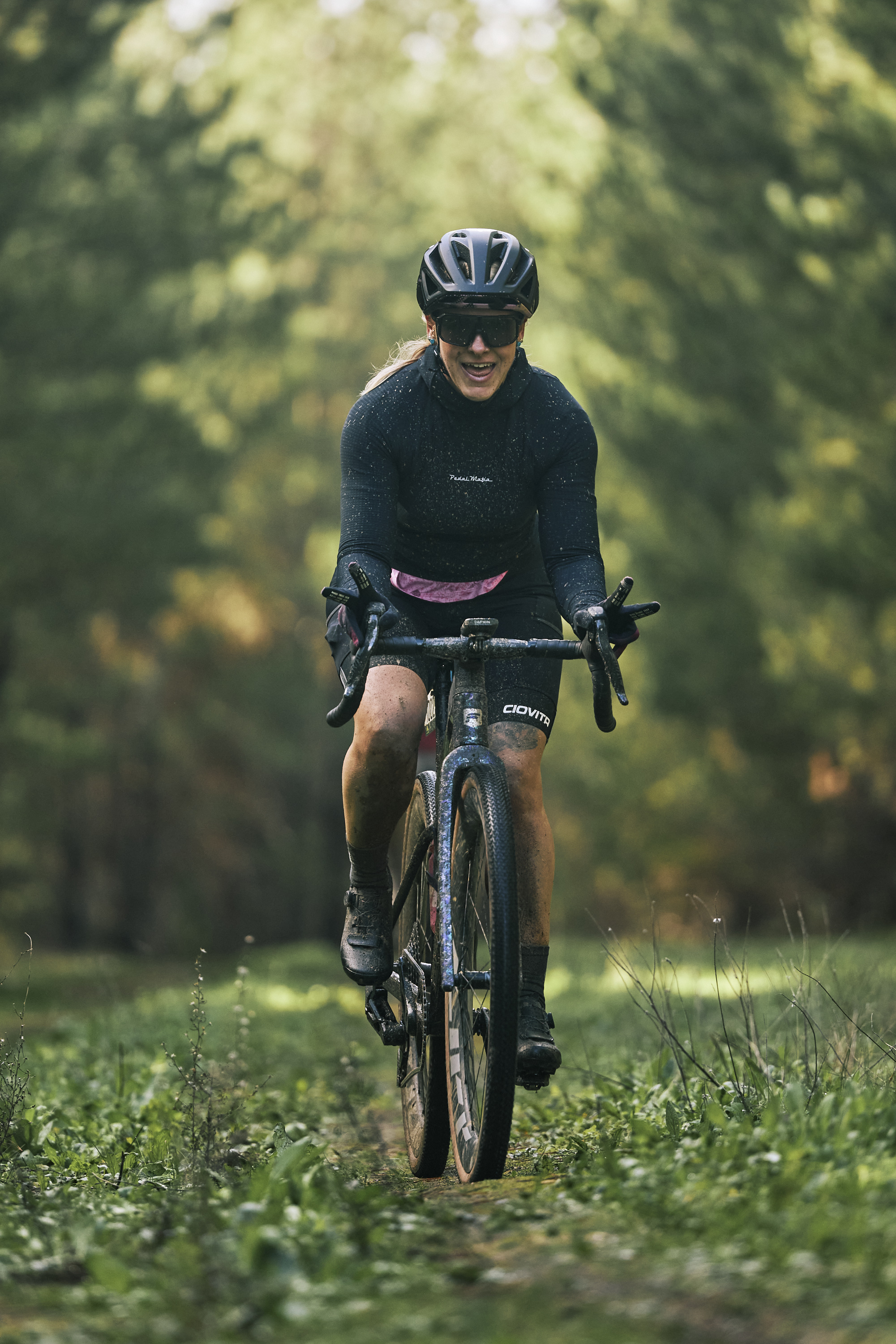
Gravel can cover a mix of terrain including loose dirt, and fire trails and grass tracks. (Photo: James Raison)
1. Find the right bike and setup
You don't need the latest, most expensive gravel bike to get started, but having a bike suited to the terrain will make a big difference to your experience.
Gravel bikes are designed to handle a mix of surfaces, combining the speed and efficiency of a road bike with some of the versatility of a mountain bike. They typically feature wider tyre clearance than road bikes, more relaxed geometry, and gearing suited to tackling everything from smooth gravel roads to rougher, more technical trails.
If you're starting out, look for a bike that offers plenty of tyre clearance, reliable disc brakes and gearing that will help you tackle steep climbs and loose surfaces.
Tyres are one of the most important parts of your setup. Unlike road riding, where narrower tyres are often favoured for speed, gravel tyre choice comes down to the terrain you're riding and the balance you want between grip, comfort and rolling resistance.
As a general guide:
- 35−38mm: A good option for smoother gravel roads and riders who want a setup that feels closer to a road bike.
- 40−45mm: A versatile all-round choice, offering a good balance of speed, comfort and grip across a variety of gravel conditions.
- 45−50mm and above: Better suited to rougher, looser terrain where extra cushioning, traction and control can make a big difference.
Tread pattern matters, too. A smoother centre tread with more pronounced side knobs can be a great all-round option, offering efficient rolling on hard-packed surfaces while providing extra grip through corners. For loose, muddy or technical conditions, a more aggressive tread can offer additional confidence.
If your wheels allow it, tubeless tyres are worth considering. They allow you to run lower tyre pressures, improving traction and comfort, while removing the risk of pinch flats.
2. Start exploring off-road
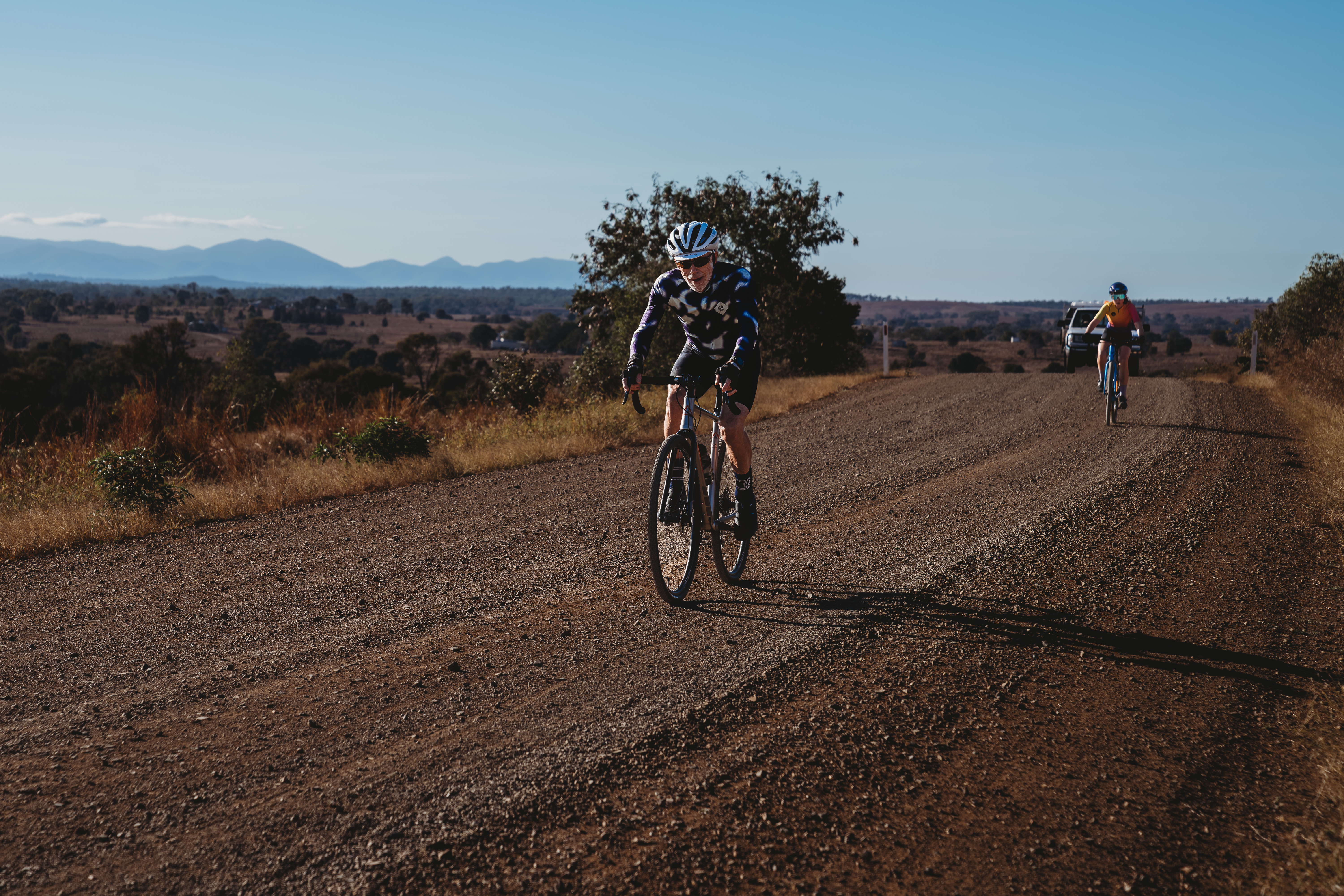
Start by finding some local gravel roads, rail trails, fire roads or quiet country routes and get comfortable riding away from the bitumen.
If you're coming from a road cycling background, loose surfaces can take a little getting used to.
Get a feel for how your bike handles, practise riding over loose gravel, and learn to adjust your line depending on the conditions.
It's also worth exploring different types of gravel. Hard-packed dirt, chunky rocks, sandy sections and muddy trails all require slightly different approaches.
The more varied your riding experience, the more confident you'll become when you eventually line up for an event.
3. Get comfortable with the essentials
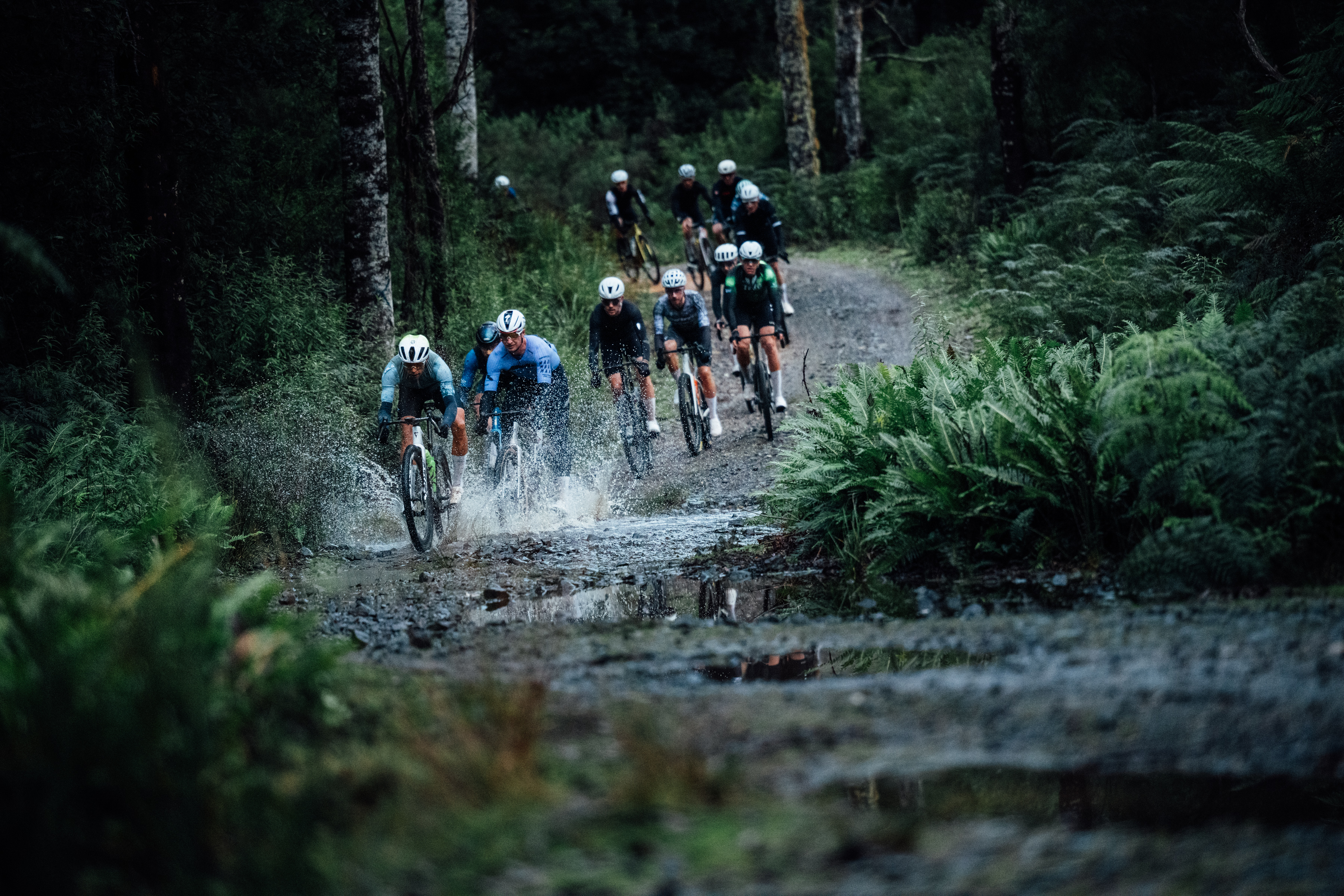
Gravel routes and races can put you into the depths of natures, so its important to be prepared. (Photo: Devil's Cardigan)
It’s important to understand how to manage your effort. Gravel events can cover long distances, often with significant elevation gain, so pacing yourself is essential.
Fuelling and hydration should become part of your training routine, too.
Practise eating and drinking regularly on longer rides rather than waiting until you're running low on energy.
And don't forget the basics: carry a spare tube, tyre levers, a pump or CO2 inflator, a multi-tool and enough food and water for your ride.
4. Prepare for your first gravel event
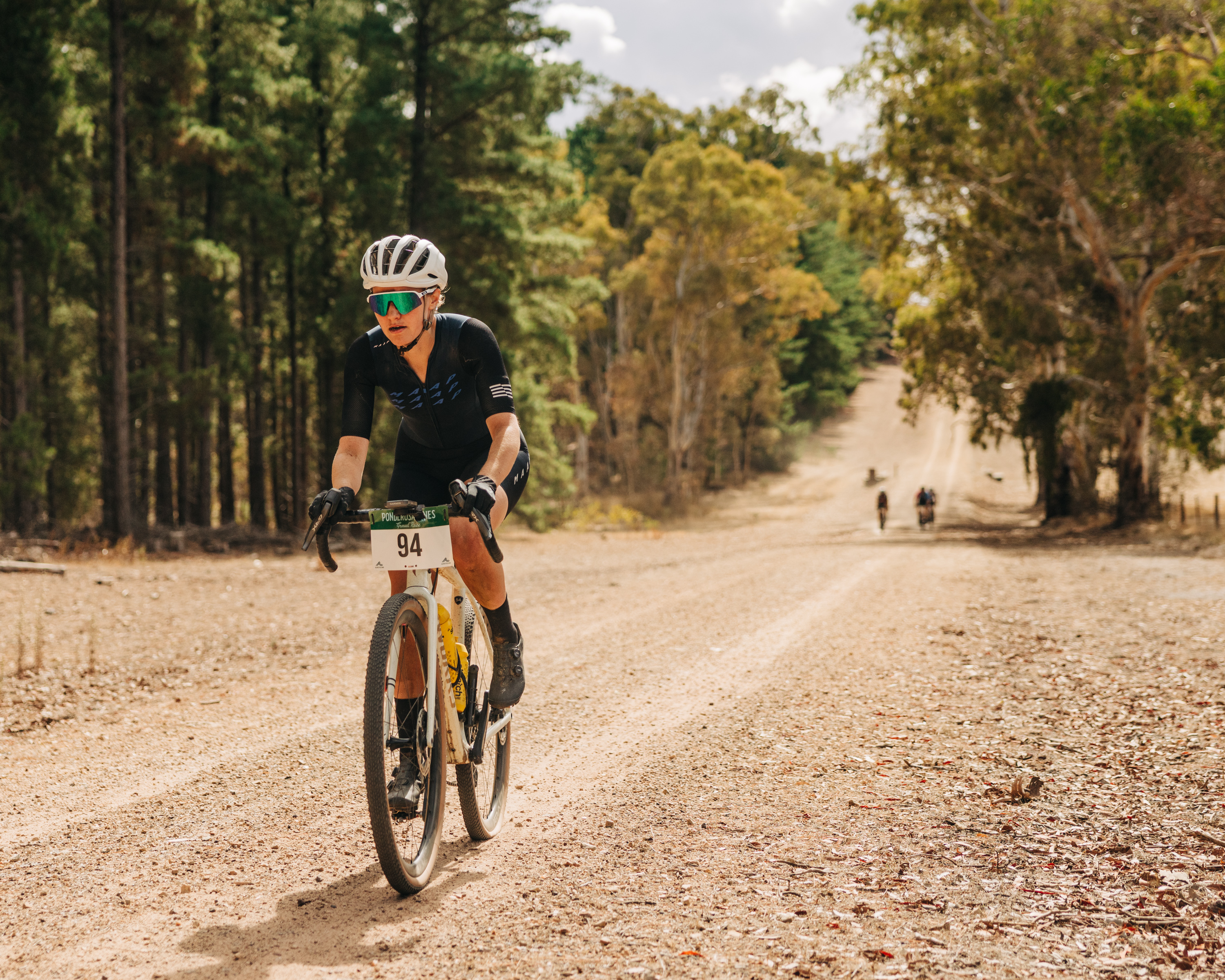
There are many gravel races for all abilities across Australia during the year. (Photo: James Raison)
Entering your first gravel event is a great way to apply your training to a new challenge and to experience the growing gravel community.
Start by choosing an event and distance that matches your current fitness and experience. Many gravel events offer multiple distances, making it easier to find something that feels achievable without being overwhelming.
Before race day, look at the distance, elevation profile, surface conditions and any technical sections that might require extra preparation.
Try to replicate some of the event conditions in training.
Most importantly, remember that your first event is a learning experience. Set a realistic goal, enjoy the atmosphere and take in the experience.
5. Embrace the community and the spirit of gravel
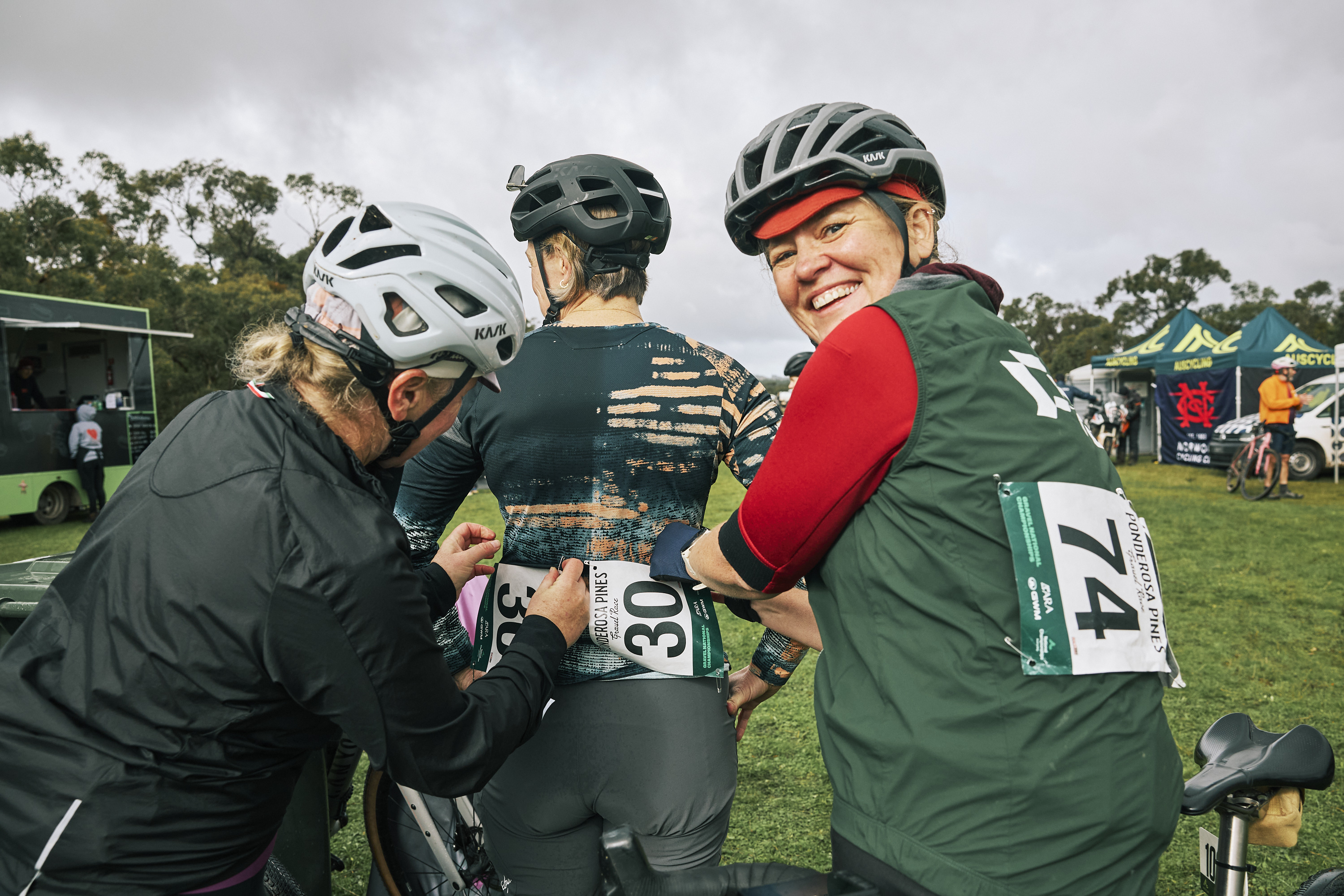
Join a local club, connect with other gravel enthusiasts or find a friend to tackle your first event with.
Gravel is about adventure, camaraderie, exploration and embracing the unpredictable nature of riding off-road.
It's about taking the road less travelled, discovering new places, challenging yourself and enjoying the journey along the way.
And perhaps the best part of gravel riding is the community that comes with it.
From social bunch rides and weekend adventures to competitive events and destination races, there's a welcoming mix of riders.
The 2027 AusCycling Gravel Calendar launches November 27. Explore what’s coming and find an event that could be your next step.